Our story
From writing code to hatching chicks
We're a small team of software engineers from Rafah, in the Gaza Strip. The war took our work, our office and our home. This is how we ended up raising chickens, and why we're asking for your help.
Before the war: software engineers
Before the war, we built software for companies and clients around the world. To work with them, we registered our own US company, Rostrly, Inc., in Delaware on November 2, 2021. Our clients paid us through Stripe.
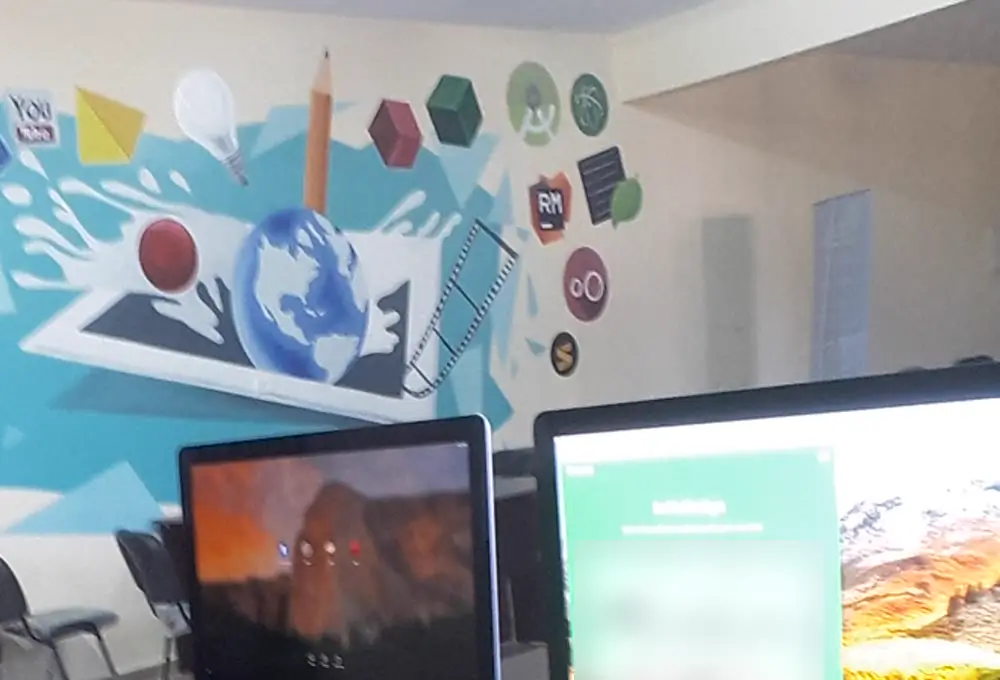
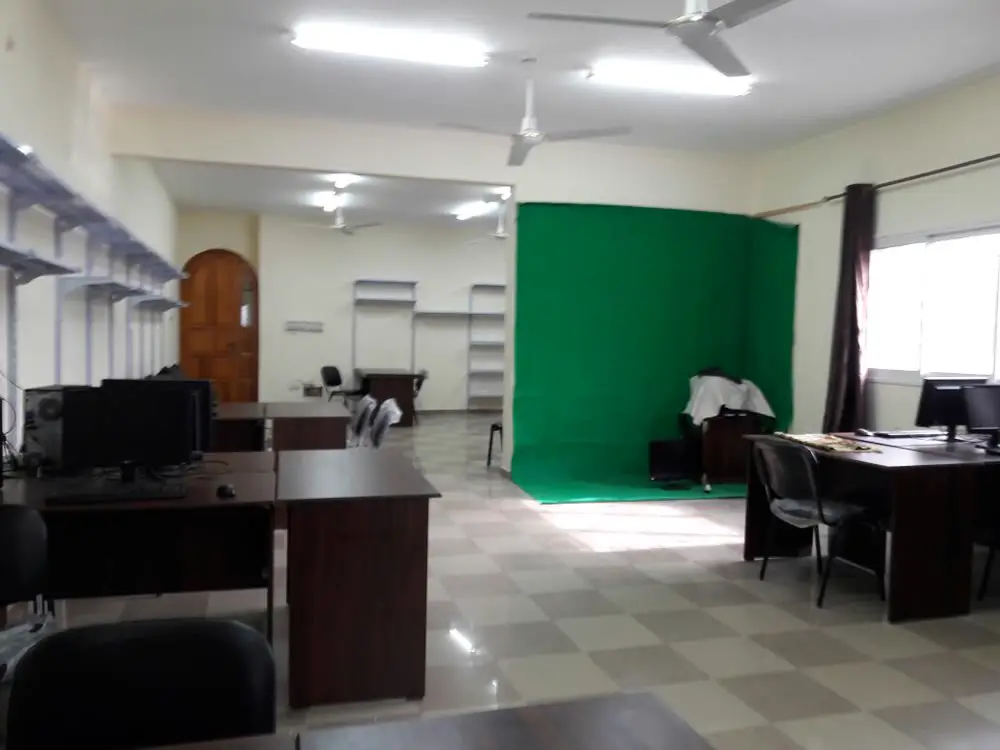
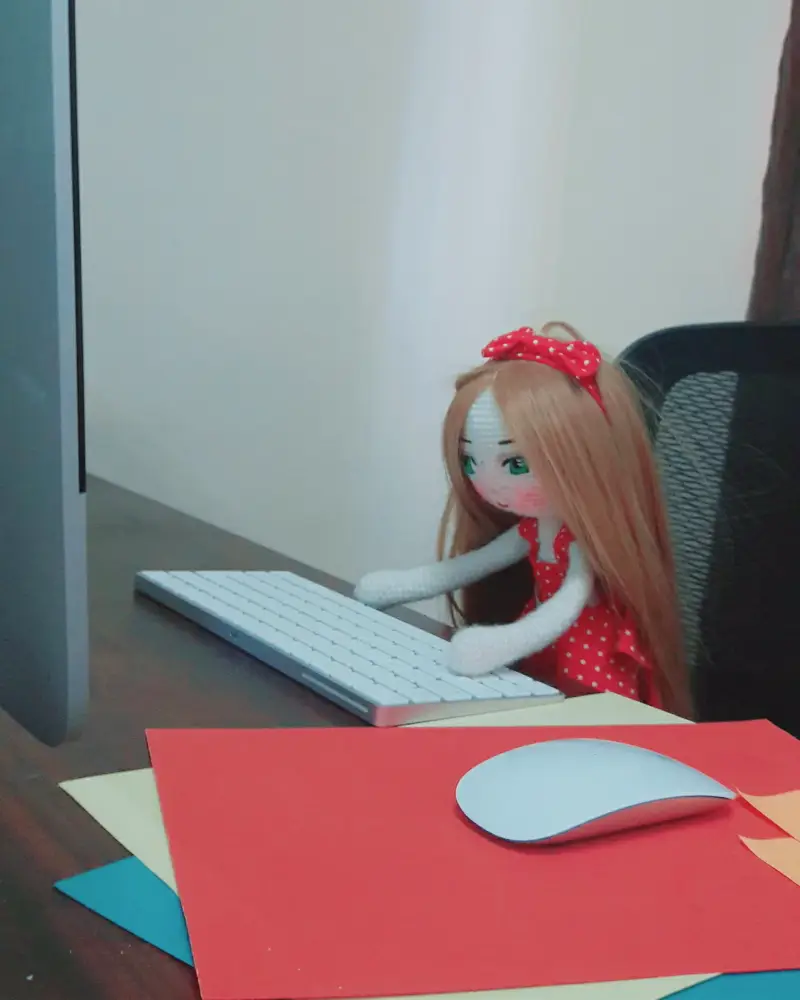
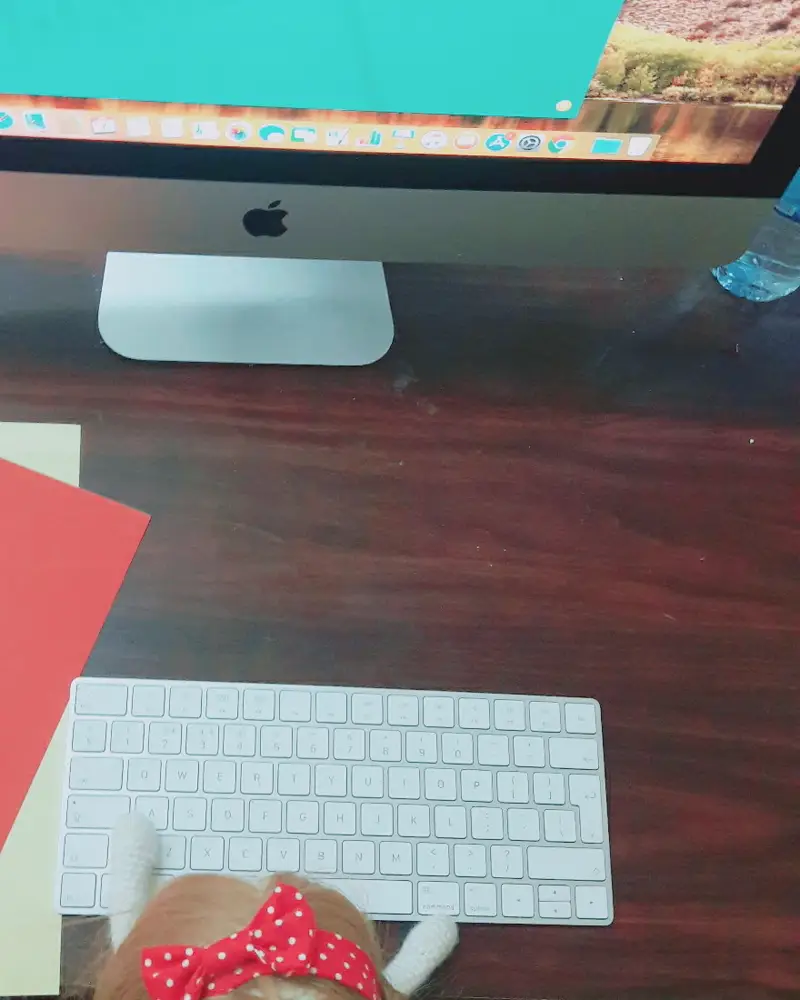 2018 Before the war
We own Rostrly, Inc. completely, and we run it ourselves. Stripe requires every website that takes payments to show the name of the registered business, which is why you see Rostrly, Inc. on this site next to Rebuild Gaza Farm.
When the war came
Power and internet were cut again and again. We were forced to move from place to place, over and over. We lost contact with our clients and the companies we worked with. Like almost everyone in Gaza, we lost our jobs and our business, and we had to do whatever this harsh reality demanded.
Why chickens
For a long time, meat disappeared from Gaza completely because the crossings were closed. When traders were finally allowed to import again, only frozen meat was let in. Meanwhile, the war destroyed much of what Gaza already had: cattle and sheep farms, and farms of local baladi and hybrid chickens.
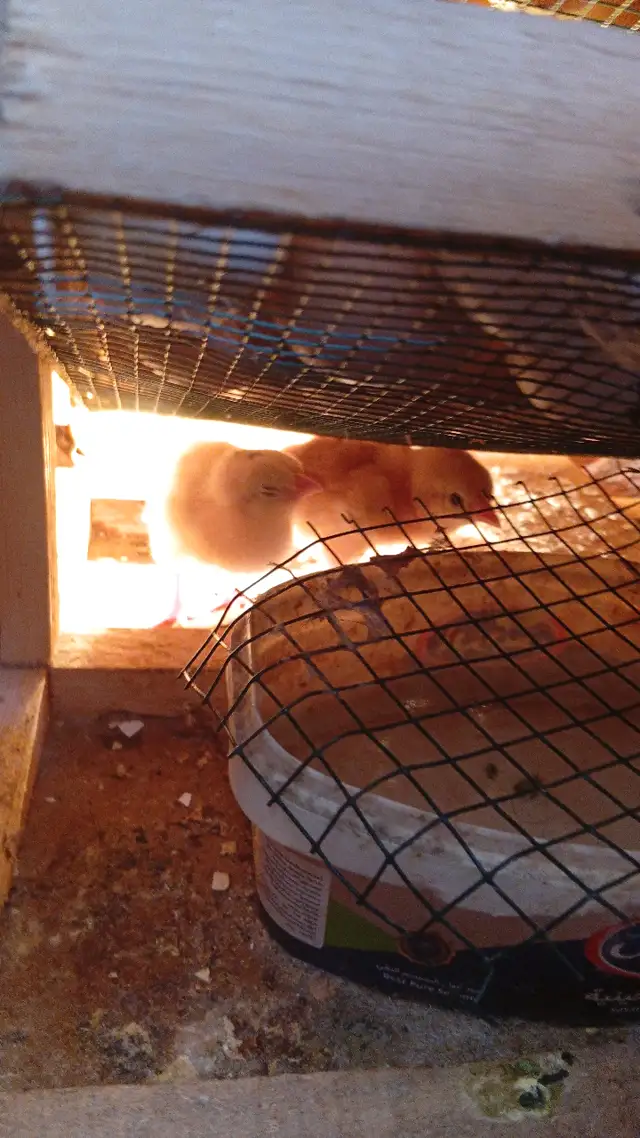
So we built a hatchery, for two reasons:
- To support ourselves and our families, after losing the work we had.
- To save and multiply the local breeds that survived, so fresh chicken, which is now rare and expensive, becomes available again.
Is this a charity?
No, and we want to be clear about it. We are a small family business. The chicks we hatch are sold in local markets, not given away for free.
That is how the project helps Gaza. Every chick we raise adds to the local supply, keeps baladi breeds alive and helps bring chicken prices back down to where ordinary families can afford them again, like before the war.
Why $45,000?
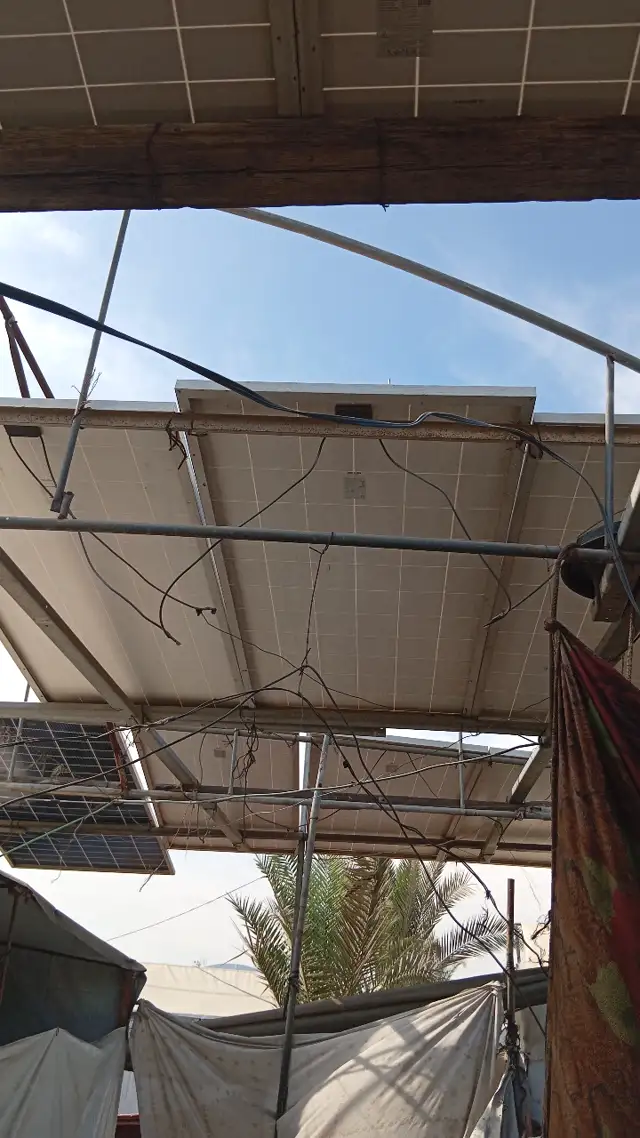
We know it sounds like a lot. But almost everything a hatchery needs is blocked or restricted at Gaza's crossings, so what does get in sells for many times its real price. Solar panels and batteries are among the hardest things to bring in.
It's the same for everything inside an incubator: the wood, the thermometer, the humidity meter, the heat lamp and the fan that keeps the temperature even. All of it costs many times its normal price.
Ten times the eggs means far more electricity. Winter is starting in Gaza, with shorter, cloudier days. If an incubator loses power for more than an hour, the fertilized eggs can die and the whole batch is lost. That's why a bigger solar system is as important as the incubators themselves.
How your donation reaches Gaza
The same way our clients paid us before the war:
- Stripe processes your donation securely.
- Stripe transfers it to our US bank account at Wise, in our own name.
- We withdraw it in Gaza through exchange offices that handle international transfers.
Where we are now
Our home and our office were in Rafah. Today we are displaced in Al-Mawasi, Khan Younis, like so many families from Rafah and other cities that were evacuated and destroyed, and remain under military control to this day.
We left Rafah with our bodies, but it stays in our hearts.
Help us hatch more.
Every donation goes into incubators, feed and the power to keep them running.
Donate now